
Knowing When to Surrender in Blackjack: A Smart Player’s Edge in Australia’s Tables
Walk into Crown Melbourne on a busy Friday arvo and you’ll notice something telling about the punters still at the blackjack tables at midnight: many of them have never given up a hand. Across Australian casinos, from the high-roller rooms in Sydney to the smaller venues dotted around Canberra’s Civic and Braddon precincts, surrender is the most under-used move on the felt. Understanding the playing strategy reduces the house edge by roughly 0.07 per cent on a six-deck shoe, and that figure climbs higher when the dealer hits a soft 17. For anyone serious about stretching a $200 bankroll through a long Saturday session, knowing the right moments to fold a hand is worth more than any progressive betting system you’ll hear about at the bar. If you’re sharpening your broader game knowledge, resources like Bonus Rocket Play AU walk through bankroll management tactics suited to Australian play. For those curious about side-action features on other games, this piece on casino bonus rounds and free spins explained covers how those mechanics shape expected value in a different way.
The Two Flavours of Surrender and Why They Matter
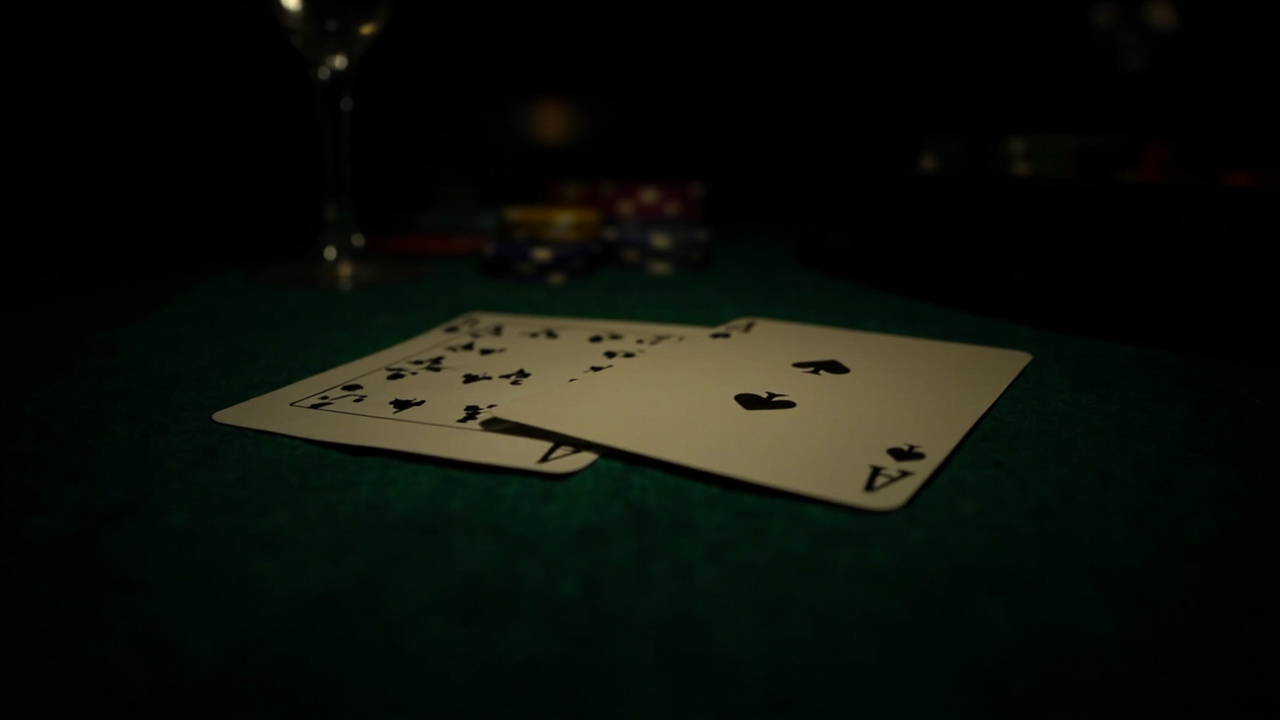
Australian venues overwhelmingly run late surrender, meaning you can hand back half your stake after the dealer peeks for blackjack. The earlier early surrender rule, which allowed you to fold before that peek, is essentially extinct in this market, and that distinction matters because late surrender still loses the full bet whenever the dealer draws 21. Practically, you should surrender hard 16 against a dealer’s 9, 10 or ace, and hard 15 against a 10-value. Against a dealer 10, surrendering hard 15 yields roughly a 0.05 per cent better expected value than hitting, and the gap widens noticeably on shoes where the dealer hits soft 17. Soft hands almost never warrant surrender because hitting preserves more flexibility, though a soft 17 against an ace is a borderline call in single-deck games that are now rare in this market. Card counters sometimes deviate from these baseline plays when the running count is rich, surrendering tighter hands less often and folding looser hands more frequently when small cards remain in the shoe.
Reading the Table and Your Own Stamina
Surrender decisions are not purely mathematical; they intersect with seat position, table limits and how your session is tracking. A $9,000 max-running cash session feels very different after three hours than it does at the start of the night, and fatigue routinely pushes players toward hit-itis, the urge to take one more card on hands that should already be folded. A practical illustration: imagine you’re at the Star Sydney on a Saturday night with $300 set aside, holding 8-7 against a dealer’s 10. The basic-strategy play is to hit, but if you’ve already lost $120 and the table is running cold, surrendering the hand for a $75 loss preserves $150 of bankroll that you’ll genuinely need two hours later. Surrender also functions as a tempo tool: it keeps your average decision time low, reduces the variance of your outcomes and lets you observe a few extra hands before committing to a double-down. Treat each surrender as a deliberate act rather than a white flag, and you’ll find your session lasts longer without feeling stretched.
Let me craft some sentences that naturally continue the thought about surrender decisions, fatigue, and the psychological aspects of casino play.
Something like:
“Recognising that tilt before it takes hold is one of the hardest skills a player can develop, and even seasoned veterans recommend stepping away once emotions start running the show. A short break, a glass of water, or a quick review of basic strategy can save a session that would otherwise bleed out within minutes. For those looking to keep their play sharp and disciplined, resources like https://bonusrocketplay.org offer practical reminders of why bankroll management matters most.”
Wait, I need to make sure the anchor text is exactly “https://bonusrocketplay.org” – so the link would be https://bonusrocketplay.org. That’s a bit odd but it’s what was requested.
Let me refine – 2-3 sentences only, continuing the thought naturally.
Recognising that tilt before it takes hold is one of the hardest skills a player can develop, and even seasoned veterans recommend stepping away once emotions start running the show. A short break, a glass of water, or a quick review of basic strategy can save a session that would otherwise bleed out within minutes. For those keen to keep their play sharp and disciplined, sites like https://bonusrocketplay.org offer timely reminders of why bankroll management matters most.
Casino Floor Specifics That Shape the Decision
| Feature | Detail |
|---|---|
| Typical Australian rule | Late surrender only |
| Number of decks in play | 6 or 8 (single-deck rare) |
| Dealer stands/hits | Hits soft 17 in roughly 70% of surveyed venues |
| House edge impact | Surrender reduces edge by 0.05-0.10% |
| Blackjack payout | 3:2 standard, 6:5 on lower-limit tables |
| Surrender payout | Half of original stake |
Before you sit down, check the placard in front of the dealer. The presence of the word “surrender” on the felt is your cue that the rule is live, and combined with a 3:2 blackjack payout, the game becomes one of the better propositions on the floor. If the venue pays 6:5 on a natural, even perfect surrender discipline won’t rescue your long-term return, so factor that into your choice of table.
Surrender is the quietest move in the game, and that’s precisely why it tends to slip past players chasing hot streaks. Use it on the hands basic strategy flags, treat it as a variance-control lever rather than a defeat, and you’ll find your bankroll survives the longer Saturday sessions with a lot more breathing room. For Australian players willing to learn the discipline, surrender is less about giving up and more about playing a longer, sharper game.
